















Common Drainage Failures During Indian Monsoons and How to Prevent Them

Every year, the Indian monsoon brings much-needed rainfall, but it also exposes one of the country's biggest urban infrastructure challenges—poor drainage systems. According to the Ministry of Housing and Urban Affairs, recurring waterlogging in Indian cities is often linked to inadequate drainage infrastructure, blocked sewer lines, poor maintenance, and rapid urbanization. From flooded roads and overflowing manholes to sewage backflow and damaged properties, drainage failures create serious health, environmental, and economic concerns during the rainy season.
While heavy rainfall is unavoidable, many drainage-related problems can be prevented with proper planning, regular maintenance, and the use of a reliable SWR pipe system. Whether it is a residential building, commercial complex, industrial facility, or public infrastructure project, an efficient underground drainage network ensures the safe disposal of wastewater and stormwater even during intense rainfall.
In this guide, we discuss the most common drainage failures experienced during Indian monsoons, their causes, and practical measures to prevent them. We also explain how choosing a trusted SWR pipe manufacturer can improve the durability and efficiency of your drainage infrastructure.
Why Do Drainage Systems Fail During Indian Monsoons?
Indian drainage systems are designed to transport wastewater and rainwater safely away from buildings and public spaces. However, during the monsoon season, the sudden increase in water flow places immense pressure on these systems.
Most drainage failures occur not because of rainfall alone but due to a combination of poor design, inadequate maintenance, ageing infrastructure, and improper installation practices.
Some of the most common reasons include:
Accumulation of leaves, plastic waste, and debris inside drainage lines
Insufficient drainage capacity during heavy rainfall
Damaged or cracked underground pipes
Poorly planned drainage layouts
Incorrect drainage pipe installation
Lack of routine sewer pipe maintenance
Tree root intrusion into underground drainage pipelines
Corrosion and deterioration of conventional drainage pipes
When these issues remain unresolved, even moderate rainfall can result in severe waterlogging, overflowing drains, and sewage backup.
Common Drainage Failures During Indian Monsoons
Heavy rainfall can put immense pressure on drainage infrastructure, especially when systems are poorly maintained or improperly designed. Understanding these common drainage failures can help homeowners, builders, and facility managers take preventive measures before the monsoon arrives.
1. Blocked Sewer Lines
Sewer lines often get clogged during the monsoon as rainwater carries mud, leaves, plastic waste, and other debris into the drainage network. These blockages restrict wastewater flow, leading to overflow and unpleasant odours.
Common issues include:
Slow drainage
Overflowing inspection chambers
Sewage backflow
Foul odours
Regular sewer pipe maintenance helps keep the drainage system free from blockages and functioning efficiently.
2. Waterlogging Due to Poor Drainage
Poor drainage capacity or blocked pipelines prevent rainwater from draining efficiently, resulting in waterlogging in residential, commercial, and public spaces. Besides disrupting daily life, stagnant water can damage infrastructure and create unhygienic conditions.
Potential impacts include:
Property and foundation damage
Traffic disruptions
Mosquito breeding
Public health concerns
Investing in effective rainwater drainage solutions is key to minimizing water accumulation during heavy rains.
3. Overflowing Stormwater Drains
Stormwater drains are designed to carry excess rainwater, but clogged drains or inadequate capacity can cause them to overflow. This increases the risk of urban flooding and places additional pressure on nearby sewer networks.
Major causes include:
Poor drain design
Lack of pre-monsoon cleaning
Construction debris
Encroached drainage channels
4. Pipe Cracks and Leakages
Older or damaged drainage pipes may develop cracks due to corrosion, ground movement, or inferior materials. During the monsoon, increased water pressure can worsen these defects, leading to structural failures and leaks in SWR pipes.
Modern SWR pipe systems are engineered to resist corrosion, impact, and harsh weather conditions, making them a reliable choice for long-term drainage performance.
5. Sewage Backflow into Buildings
Blocked sewer lines or overloaded municipal drainage systems can force wastewater back into buildings, causing sanitation issues and property damage.
Common consequences include:
Overflowing toilets and drains
Indoor contamination
Damage to flooring and interiors
Health risks from sewage exposure
Installing a well-designed drainage system and maintaining it regularly can significantly reduce the risk of backflow.
6. Damaged Underground Drainage System
Since an underground drainage system is not visible, damage often goes unnoticed until major problems arise. Soil movement, heavy loads, poor installation, and aging infrastructure are among the leading causes of underground pipe failure.
Routine inspections can help identify hidden issues before they become expensive repairs.
7. Improper Drainage Pipe Installation
Even high-quality pipes may fail if they are installed incorrectly. Poor workmanship can lead to leaks, frequent blockages, and reduced system efficiency.
Common installation errors include:
Incorrect pipe slope
Loose or poorly sealed joints
Improper alignment
Inadequate bedding support
Incorrect pipe sizing
Professional drainage pipe installation ensures efficient wastewater flow and enhances the longevity of the entire drainage network.
Strategic Rainwater Drainage Solutions for Waterlogging Prevention
Mitigating heavy monsoon deluges requires combining proper material choice, smart design, and strict community habits.
1. Opt for High-Performance SWR Piping Systems
Domestic and commercial building drainage relies heavily on Soil, Waste, and Rainwater (SWR) networks. Standard pipes often degrade due to continuous exposure to varying weather conditions. Switching to advanced, high-impact SWR pipes guarantees structural integrity, smooth internal flow, and exceptional resistance to UV radiation and chemical wear.
2. Execute Precise Drainage Pipe Installation
A drainage system is only as good as its engineering layout. Ensuring accurate sloping (gradient) prevents stagnant water zones where silt can accumulate. Leak-proof joints achieved using specialized rubber ring seals or heavy-duty solvent cements must be used during drainage pipe installation to eliminate leaks and prevent root intrusion.
3. Establish Routine Sewer Pipe Maintenance
Preventative maintenance must be carried out long before the first monsoon clouds arrive:
Pre-Monsoon De-clogging: Clean all intercepting traps, floor traps, and master chambers. High-pressure hydro-jetting is highly recommended to flush out stubborn silt and grease accumulation.
Install Protective Grates: Safeguard all outdoor collection gullies and rainwater downtakes using robust mesh screens or grates to capture leaves and solid litter before they access the primary lines.
4. Integrate Rainwater Harvesting and Permeable Surfaces
Reduce the volumetric load on your underground drainage system by installing rainwater harvesting units. Utilizing permeable paving blocks in courtyards and driveways allows a portion of the rainwater to recharge the local groundwater table directly, drastically reducing immediate surface runoff.
The Value of Partnering with a Leading SWR Pipe Manufacturer
Preventing drainage failures requires long-term material reliability. Investing in inferior pipes leads to recurring repairs, recurring blockages, and costly property damage. Choosing a certified, industry-recognized SWR pipe manufacturer ensures your building is outfitted with heavy-duty plumbing designed to easily withstand volatile hydraulic pressures and heavy Indian monsoons.
Also Read: Key Applications and Uses of SWR Pipes
Conclusion
A reliable drainage system is the first line of defence against the challenges posed by the Indian monsoon. From blocked sewer lines and waterlogging to underground pipe damage and sewage backflow, most drainage failures can be prevented through regular maintenance, proper installation, and the use of high-quality drainage components. Investing in a durable SWR pipe system not only improves drainage efficiency but also minimizes long-term repair and maintenance costs.
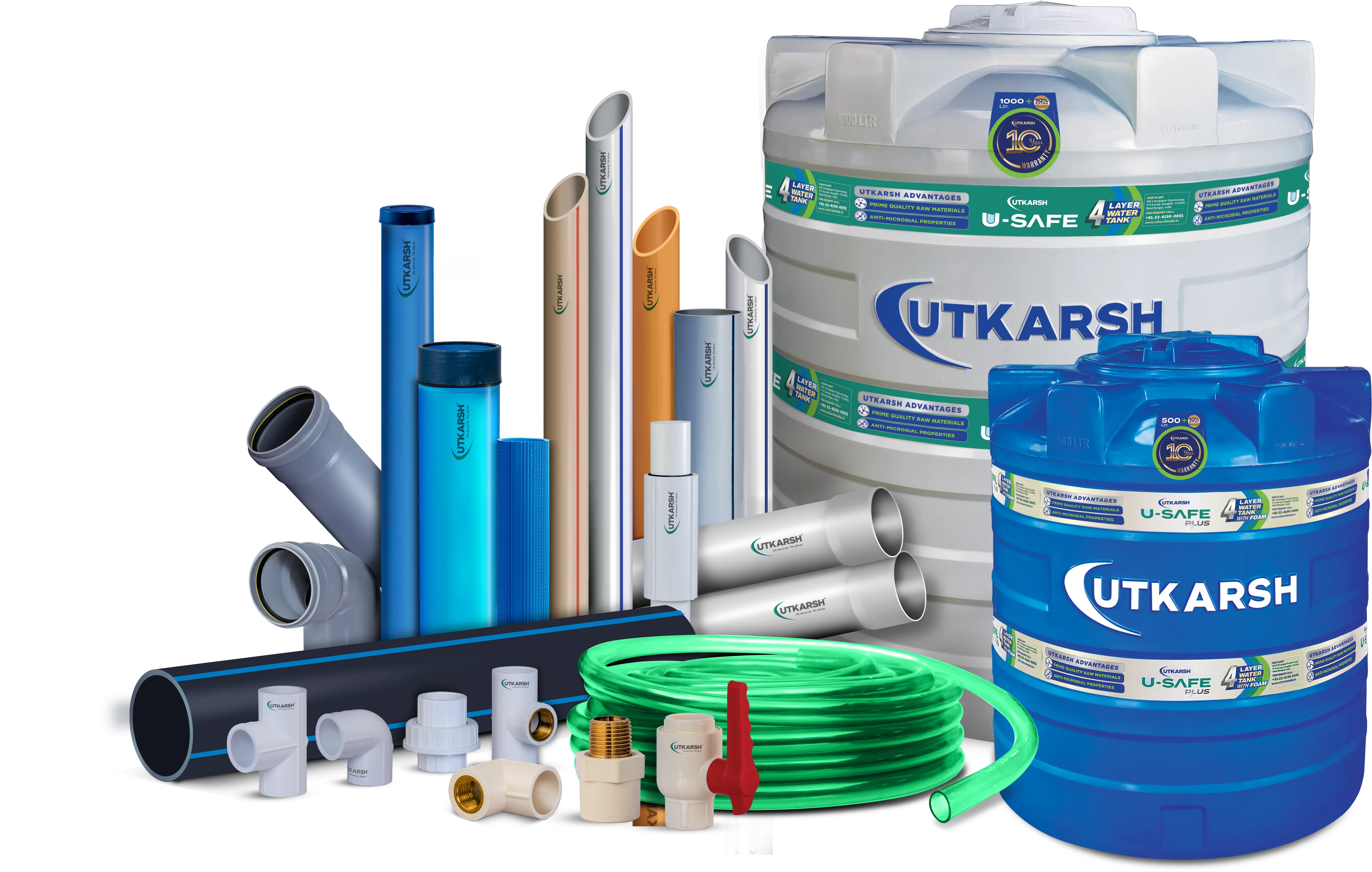
As a trusted SWR pipe manufacturer, Utkarsh Pipes & Fittings offers high-performance SWR pipes and fittings engineered for strength, leak-proof performance, and long service life. Manufactured to meet stringent quality standards, our drainage solutions are designed to ensure smooth wastewater flow and dependable performance in residential, commercial, and industrial applications. Whether you're building a new drainage network or upgrading an existing one, Utkarsh Pipes & Fittings provides reliable solutions for efficient and long-lasting drainage infrastructure.
Frequently Asked Questions (FAQs)
1. What causes drainage systems to fail during the monsoon?
The most common causes include blocked sewer lines, accumulated debris, poor drainage pipe installation, damaged underground pipelines, and inadequate maintenance. Heavy rainfall further increases pressure on the drainage network, leading to overflows and waterlogging.
2. How can I prevent sewer pipe blockages during the rainy season?
Regular sewer pipe maintenance, timely cleaning of drains, proper waste disposal, and periodic inspections help prevent blockages and ensure uninterrupted wastewater flow during the monsoon.
3. Why is an SWR pipe system suitable for drainage applications?
An SWR pipe system is designed for efficient soil, waste, and rainwater disposal. It offers corrosion resistance, smooth internal surfaces for better flow, leak-proof joints, and durability, making it ideal for long-term drainage performance.
4. Why should I choose Utkarsh Pipes & Fittings as my SWR pipe manufacturer?
Utkarsh Pipes & Fittings manufactures high-quality SWR pipes and fittings that deliver reliable performance, easy installation, and long service life. Their products are designed to support efficient drainage systems across residential, commercial, and industrial projects.