














Difference Between PVC and uPVC Pipes
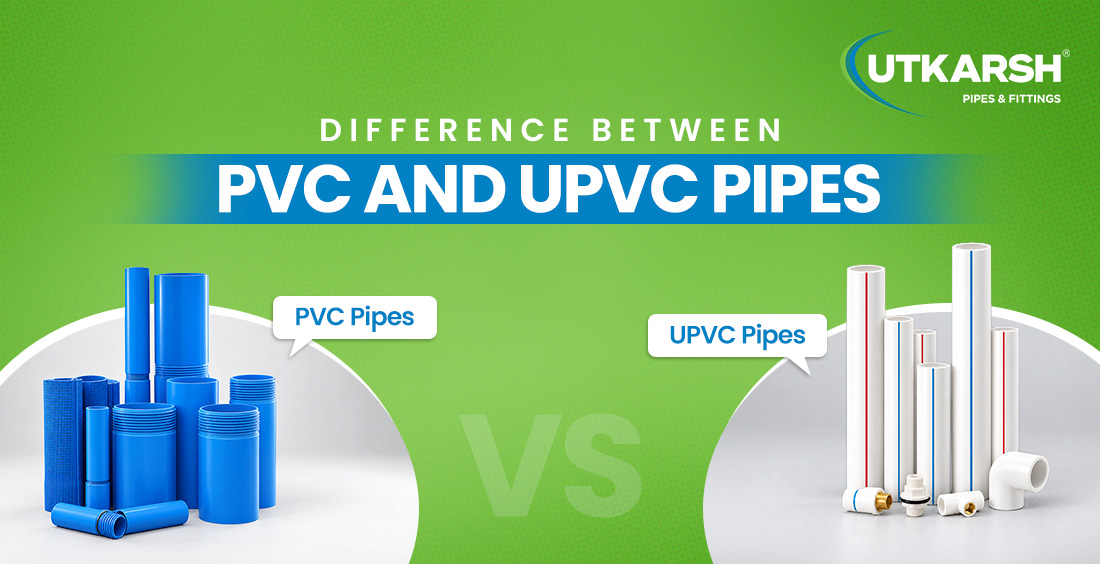
PVC and uPVC pipes are made from the same base material, polyvinyl chloride, but they are not the same product. The key difference is plasticisers. Standard or flexible PVC contains plasticisers that make it soft and bendable. uPVC (unplasticised PVC) contains none, which makes it rigid, strong and suitable for pressurised water lines.
This one difference in composition gives uPVC a clear set of advantages. It holds its shape under pressure, resists corrosion and chemicals, and is approved under Indian Standards for carrying drinking water. In practical terms, that means a longer service life, fewer leaks, lower maintenance and safer water for homes, farms and buildings.
This guide explains the PVC vs uPVC difference in detail, compares their properties side by side, and helps you decide which pipe fits your project.
Key Takeaways
- uPVC is PVC without plasticisers. That makes it rigid, while plasticised PVC is flexible.
- "Rigid PVC" and uPVC refer to essentially the same material.
- uPVC is used for cold water supply, plumbing, irrigation, drainage and borewell casing.
- Flexible PVC is used for hoses, garden pipes and other non-pressure, light duty uses.
- For drinking water, choose uPVC pipes made to IS 4985 and carrying the ISI mark.
What Is uPVC Pipe?
uPVC stands for unplasticised polyvinyl chloride. It is PVC resin processed without plasticisers, blended instead with stabilisers, lubricants and pigments, then extruded into rigid pipes of standard diameters and pressure classes.
Without plasticisers, the pipe stays stiff, strong and dimensionally stable. This is why uPVC pipes are the material of choice for pressure pipes, plumbing lines, irrigation networks, drainage systems and borewell casing.
Rigid PVC vs uPVC: Are They the Same?
Yes, for all practical purposes. Rigid PVC and uPVC both describe PVC that has not been softened with plasticisers. Different manufacturers and markets simply use different names. If a pipe is rigid and rated for pressure or potable water, it is a uPVC pipe, whatever the label says.
The comparison that actually matters for buyers is flexible PVC vs uPVC.
PVC vs uPVC Pipe Comparison
| Factor | Flexible (Plasticised) PVC | uPVC (Rigid PVC) |
|---|---|---|
| Plasticisers | Present | None |
| Flexibility | Soft and bendable | Rigid and stiff |
| Strength | Lower | High tensile and impact strength |
| Pressure handling | Low or non-pressure use | Rated pressure classes for water supply |
| Drinking water use | Not intended for permanent potable lines | Approved under IS 4985 for potable water |
| Chemical resistance | Moderate | High |
| UV and weather resistance | Lower | Good, especially in UV stabilised grades |
| Service life | Shorter | 50 years or more when installed correctly |
| Joining | Clamps, push connectors | Solvent cement or rubber ring joints |
| Typical uses | Garden hoses, flexible tubing, light duty transfer | Plumbing, irrigation, drainage, borewell casing, column pipes |
uPVC Pipe Advantages
Here is why uPVC has become the standard pipe material for so many water applications in India.
- Strength without weight: uPVC pipes are strong enough to handle rated water pressure, yet light enough to carry and install without heavy equipment.
- No rust or corrosion: Unlike GI or iron pipes, uPVC does not rust or scale, so water quality and flow stay consistent over time.
- Safe for drinking water: uPVC pipes made to IS 4985 are tested for their effect on water quality, making them suitable for potable supply.
- Chemical resistance: uPVC resists most acids, alkalis and salts found in soil and water, which matters in agriculture and drainage.
- Smooth inner bore: Low friction means better flow, less pumping energy and fewer blockages.
- Long service life: With correct installation, uPVC pipes typically last 50 years or more.
- Cost-effective: Lower material, transport and labour costs compared to metal pipes.
- Recyclable: uPVC can be recycled at the end of its service life.
Where Flexible PVC Still Makes Sense
Flexible PVC has a role too. Its bendability is useful where pipes need to move, coil or be connected and disconnected often. Common uses include garden watering, car washing, cleaning, and light water transfer. It is simply not built for permanent pressurised plumbing or drinking water lines.
PVC and uPVC Pipe Applications
| Application | Flexible PVC | uPVC |
|---|---|---|
| Home cold water plumbing | No | Yes |
| Drinking water supply lines | No | Yes (IS 4985) |
| Hot water lines | No | No (use CPVC) |
| Agricultural irrigation mains | No | Yes |
| Drip and sprinkler systems | Limited | Yes |
| Soil, waste and rainwater drainage | No | Yes (SWR pipes) |
| Borewell casing | No | Yes |
| Submersible pump column pipes | No | Yes |
| Gardening and washing | Yes | No |
How to Pick the Right uPVC Pipe
- Check the ISI certification and IS number printed on the pipe, such as IS 4985 for water supply pipes.
- Match the pressure class to your system, especially for pump fed or high rise lines.
- Use the right uPVC type for the purpose. Pressure pipes, SWR pipes and casing pipes are built for different jobs.
- Use compatible fittings and solvent cement, ideally from the same manufacturer.
- Protect pipes from prolonged direct sunlight unless they are UV stabilised.
Also read: What are PVC Pipes? Uses, Benefits, and Applications Explained
Wrapping Up
The difference between PVC and uPVC comes down to one ingredient: plasticisers. Flexible PVC bends, which suits hoses and light-duty work. uPVC stays rigid, strong and stable, which makes it the right choice for plumbing, drinking water, irrigation, drainage and borewells. For any permanent water line, choose certified uPVC, and switch to CPVC wherever hot water is involved.
Utkarsh Pipes and Fittings brings more than 50 years of experience to every pipe it makes. Its uPVC and CPVC pipes are built to Indian Standards and tested through 5X quality checks, then delivered through a nationwide network of 5,000+ dealers. Talk to the Utkarsh team to find the right pipe for your project.
Frequently Asked Questions
What is the main difference between PVC and uPVC?
uPVC contains no plasticisers, which makes it rigid and strong. Flexible PVC contains plasticisers that make it soft and bendable. This difference decides their strength, pressure rating and uses.
Is rigid PVC the same as uPVC?
Yes. Rigid PVC and uPVC both refer to PVC that has not been plasticised. The names are used interchangeably in the pipe industry.
Which is better, PVC or uPVC pipe?
For permanent water lines, uPVC is better because it is stronger, pressure rated, longer lasting and approved for drinking water. Flexible PVC suits light duty uses like garden hoses.
Is uPVC pipe safe for drinking water?
Yes. uPVC pipes made to IS 4985 and carrying the ISI mark are approved for potable water supply in India.
Can uPVC pipes be used for hot water?
No. uPVC is designed for cold water. For hot water lines, use CPVC pipes made to IS 15778.
How long do uPVC pipes last?
With correct installation and normal operating conditions, uPVC pipes typically last 50 years or more.
Is uPVC more expensive than PVC?
Rigid uPVC pipe usually costs more than flexible PVC hose of a similar size, but it is far more economical over its lifetime for permanent water lines thanks to its durability and low maintenance.
What are the common uses of uPVC pipes?
uPVC pipes are used for cold water plumbing, drinking water supply, agricultural irrigation, drainage, borewell casing and submersible pump column pipes.